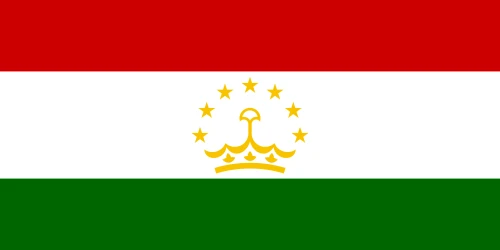
Tajikistan

Tajikistan‘s diverse topography produces a varied climate. 3 It has many features of a continental climate, e.g., cold winters and hot summers, but the wide range in elevation across the country significantly modulates these seasons. The climate is semi-arid with winter and spring being the most precipitous, and summer and autumn are very dry. The economy of Tajikistan is highly …
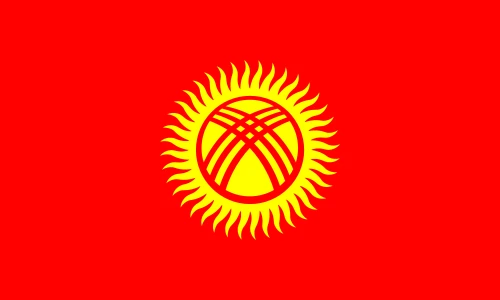
Kyrgyzstan

The Kyrgyzstan is a landlocked, mountainous country in Central Asia with a population of around 6.3 million. The Kyrgyzstan is susceptible to natural hazards such as earthquakes and landslides, as well as economic shocks resulting from volatile food prices and political instability. Impacts from such natural hazards and economic shocks may be amplified by expected climate change stressors such as …

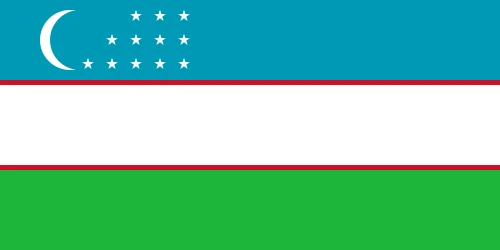
Uzbekistan

The Republic of Uzbekistan is a doubly landlocked country (landlocked and completely surrounded by landlocked countries) in Central Asia. Uzbekistan faces major challenges with desertification, water scarcity, and further depletion of the Aral Sea that are exacerbated by climate stressors such as increasing temperatures, more frequent and extreme droughts, lower precipitation levels during parts of the year, and changes in …

Vietnam

Located on the tropical typhoon belt, Vietnam is considered one of the most hazard-prone countries in the world. Typhoons, floods, droughts and landslides are recurrent and combined claimed 9,500 lives and were responsible for losses equal to 1.5 percent of annual GDP between 2001 and 2010. This situation is compounded by a host of non-climate factors such as high population …

Vanuatu

Vanuatu is considered to be one of the world’s most vulnerable countries to natural hazards. Comprised of over 80 islands, the country is located on the earthquake-prone “ring of fire” and sits at the center of the Pacific cyclone belt. These hazards result in a high frequency of volcanic eruptions, cyclones, earthquakes, tsunamis, storm surges, coastal flooding, and landslides. In …

Tonga

The 176-island archipelago of Tonga is exposed to a range of natural hazards, including cyclones, earthquakes, tsunami, and volcanoes. Estimated annual losses from these hazards are on average equivalent to 4.4 percent of the GDP. In February 2018, Tropical Cyclone Gita affected almost 75 percent of Tonga’s population, which is equivalent to 80,000 people, and caused damages and losses of …

Thailand

Thailand’s 2615 km long coastline, fragile agriculture system and susceptibility to extreme weather events make it especially vulnerable to the effects of climate change. Thailand is susceptible to extreme weather events such as tropical storms, floods and drought. Such climatic events impact Thailand through prolonged droughts, decreased agricultural and fishery yields, violent flooding, sea level rise and health-related issues. Thailand’s …

Philippines

Philippines is considered to be among the world’s most disaster-prone countries. Philippines lies in the world’s most cyclone-prone region, averaging 19–20 cyclones each year, of which 7–9 make landfall. Sea levels in the Philippines are rising faster than the global average, increasing the hazard posed by storm surges and threatening permanent inundation of low-lying areas. Commonly occurring hazards include floods, …

Pakistan

Pakistan is among the most vulnerable countries to climate change due to its vast geography that spans across various eco-climatic zones from the snow-capped mountains to the coastal plains. Climate change will not only adversely affect economic development but can also jeopardize the provincial efforts to attain the Sustainable Development Goals (SDGs). Pakistan potentially faces a major climate change challenge. …

Nepal

Nepal is highly vulnerable to climate change and has already experienced changes in temperature and precipitation at a faster rate than the global average. Millions of Nepalese are estimated to be at risk from the impacts of climate change including reductions in agricultural production, food insecurity, strained water resources, loss of forests and biodiversity as well as damaged infrastructure. Nepal’s …